A PRACTICAL GUIDE · INDEPENDENTLY RESEARCHED
Personal style. Thoughtfully chosen.
Beautiful clothes should feel like you. Explore boutique fashion through the details that matter: comfortable fit, interesting fabrics, considered combinations and care that keeps favourite pieces in your wardrobe. An independent guide to choosing well and wearing with confidence.
Explore the guide ↓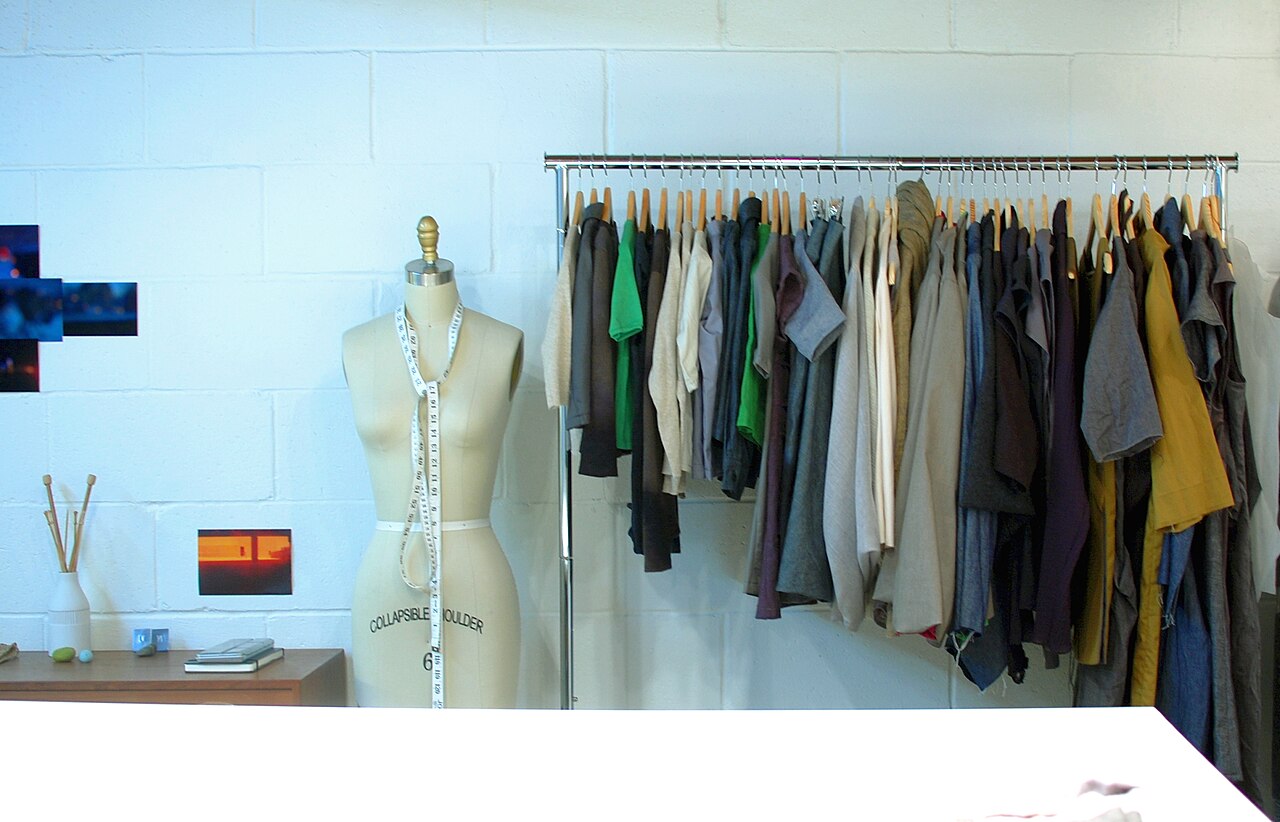
Find your own boutique style
A good wardrobe starts with the way you actually live. Before browsing a new collection, look at the clothes you reach for most often. Notice their shapes, colours and textures, and ask what makes them easy to wear. Your favourite outfit might be a relaxed shirt and trousers, a flowing dress or a sharply cut jacket. There is no single boutique look to copy.
Make a short shopping brief: the occasion, the gap in your wardrobe and the amount you want to spend. Take a photograph of pieces you already own so that a tempting purchase has something to work with. Trying a new colour or silhouette can be part of the pleasure, without replacing everything around it.
For inspiration beyond the latest shop window, explore the V&A's fashion collection. Use the garments as prompts for proportion, colour and detail, rather than a list of things you need to buy.
Fit comes before the size label
Treat a size as a starting point for trying something on. Look at where the shoulder sits, whether fastenings lie comfortably and how the garment moves when you sit, walk and reach. A piece that looks elegant while you stand still may feel quite different through a normal day. Comfort and ease deserve a place alongside appearance.
When buying online, compare the seller's measurements with a garment that fits you well, using the same measuring method. Check whether the numbers describe the body or the finished garment. Ask for missing details before ordering, especially for fitted pieces or second-hand clothing.
If the fit is nearly right, ask an alterations specialist what is feasible before committing. Hem lengths and sleeve finishes are worth discussing, but a major change to shape may be more involved. Request a price and a realistic completion date; never assume that every garment can be altered successfully.
Look closely at the making
Turn the garment over and spend a moment with the details. Do seams sit comfortably? Do buttons feel secure? Does the lining pull when you move? Try the zip gently and check that pockets, cuffs and hems work as you expect. These are useful shopping observations, not a laboratory test or a guarantee of how long something will last.
Price and a prestigious label do not remove the need to inspect a piece. Equally, an unlined design is not automatically inferior: construction should suit the intended garment. Ask what a particular feature contributes to comfort, movement or shape.
The V&A's X-ray studies offer an interesting look beneath the surface of historical clothing. They reveal hidden layers and construction details, a reminder that the outside of a garment tells only part of its story.
Choose fabrics for everyday life
Read the fibre composition and care instructions together. The feel of a fabric in your hand is useful, but it does not tell you everything about washing, drying or storage. Before buying, consider whether you have the time, space and budget for the care the label requires.
Try the fabric in the context of its intended use. Check a light shirt against the light, sit down in trousers and consider whether a knit feels comfortable against your skin. Think about the layers you will wear underneath and the coat you will put over it. A pleasing texture is only one part of a practical choice.
Avoid treating a fibre name as a universal promise of quality or environmental benefit. Compare the actual garment, the information the seller provides and your likely use. If a wool piece catches your eye, Woolmark's care resources provide a useful specialist starting point.
Build combinations, not a shopping list
Try planning three outfits around a possible purchase before you buy it. Could that jacket work with your favourite trousers, a dress and a casual weekend outfit? Would a patterned blouse bring together colours you already wear? This is a practical exercise, not a rule that every item must be endlessly versatile.
A small group of coordinating pieces can make getting dressed easier, but there is no required number of items for a capsule wardrobe. Keep room for occasionwear, work requirements, changing weather and pieces you simply enjoy. The useful question is whether the clothes serve your life.
Accessories can change the balance of an outfit without a complete new set of clothes. Experiment first with what you own: a different belt, a scarf or another pair of shoes. Photograph combinations you like so they are easy to remember on a busy morning.
Give existing clothes another chapter
Before replacing a piece, ask what has stopped you wearing it. A missing button, an awkward hem or a styling habit might be easier to address than you expect. For unfamiliar repairs, ask a competent repairer or start learning on something that is not precious. Keep ambitious changes to delicate or valuable garments in experienced hands.
Second-hand shopping can offer a different route to an individual wardrobe. Inspect the condition, check measurements and ask about marks or repairs that are unclear in photographs. Include any cleaning or alteration costs in your decision. A bargain is only useful if you can wear and enjoy it.
If you would like to experiment creatively, the V&A's make-and-do resources include fashion and textile projects. Follow the instructions for the particular project, and use them as an invitation to learn rather than a promise of a professional result on the first attempt.
Care is part of the purchase
Keep the care label readable and follow the instructions for the actual garment. Do not choose a washing method solely because another item with a similar fibre content survived it. Trims, finishes and construction can make a difference to the care required.
For wool, Woolmark advises following the garment's care claim and choosing an appropriate wool detergent. Its guides cover washing, drying and stain-related questions. Check the relevant guidance before trying a new method; an ordinary laundry routine should not be assumed suitable for every wool piece.
Finally, give clothes enough attention between wears to notice a loose button or a developing problem. A small repair is easier to arrange when the item is not urgently needed. Thoughtful shopping continues after checkout: it includes learning how to look after the pieces you have chosen.
Independent, and open to better information.
This guide is published by UK Domain Trader. It is an introductory resource, not personalised professional advice or an endorsement by the organisations listed. Links are included to help you find reliable information. No business has paid for an editorial mention in this guide. Know a useful resource, or spotted something that needs correcting? Tell us below.
Research sources and image attribution
- V&A fashion collection · researched 2026-09-29
- V&A garment construction X-rays · researched 2026-09-29
- V&A make and do · researched 2026-09-29
- Woolmark clothing care · researched 2026-09-29
Photograph: UNIFORM Studio / Wikimedia Commons. Original and rights information. CC BY 2.0. Displayed without alteration; the responsive layout may crop its visible area.

MAKE A CONNECTION
Have something
to share?
Send a correction, suggest a useful link or ask about a potential sponsorship. We don’t imply that this domain is currently available to buy.
Your privacy
UKC LABS LTD, trading as UK Domain Trader, operates this guide. The enquiry form sends your name, email, message and enquiry type to our central inbox so we can respond. These details are not published or sold. Enquiries are retained for up to 365 days unless a longer period is needed to handle an ongoing request or legal obligation. We process enquiries to respond to your request and administer our business; ticking the acknowledgement does not subscribe you to marketing.
We count page requests and useful-link clicks without visitor tracking cookies. Security controls use short-lived pseudonymous rate-limit records, and server security logs may contain IP addresses. To request access, correction or deletion of your information, use the contact form and select correction, or visit UK Domain Trader’s privacy policy. This form is not an emergency or public-service reporting channel.